Property management comes with its fair share of challenges. From tenant relations to maintenance schedules, the responsibilities seem endless. However, some common mistakes not only increase workload but can also lead to financial losses and tarnish your reputation.
Managing properties isn’t just about collecting rent or fixing leaky taps; it’s about creating a seamless experience for everyone involved, from tenants to property owners. Avoiding common pitfalls can improve tenant satisfaction, build trust with property owners, and save you time and money.
When communication breaks down, problems begin to pile up. Tenants may feel ignored, leading to dissatisfaction, while property owners might lose confidence in your ability to manage their investments. Poor communication can also result in missed deadlines, unresolved complaints, and ultimately, tenant turnover.
It may be tempting to cut costs by addressing repairs only when something goes wrong. However, neglecting preventative maintenance often leads to costly emergency repairs and long-term property damage.
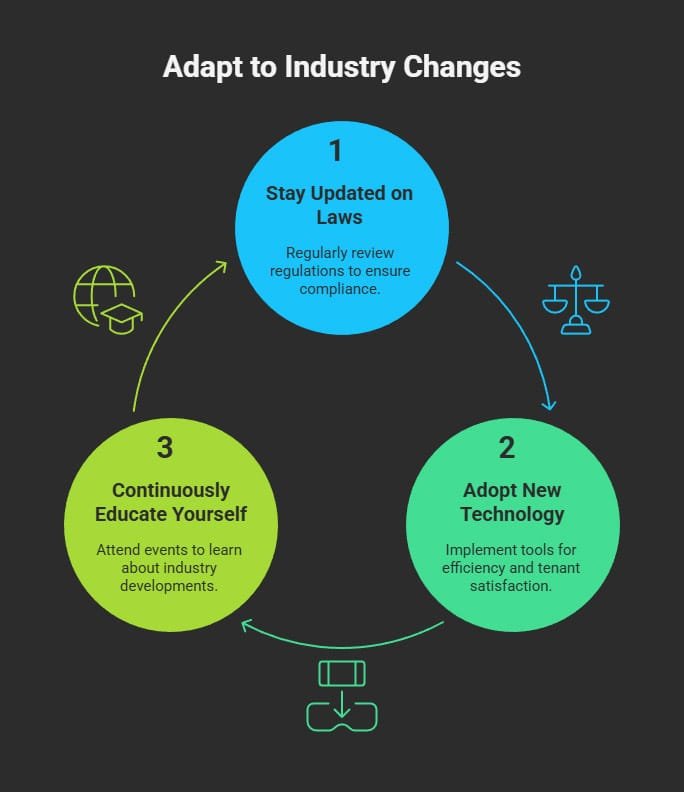

Failing to comply with local landlord-tenant laws can result in lawsuits, fines, or even license suspension. Common legal issues include improper handling of security deposits, failure to maintain habitability, and non-compliance with Fair Housing laws. Staying current with regulations and having legal counsel review your lease agreements can help avoid these pitfalls.
Ongoing training is key. Offer quarterly workshops on customer service, compliance, and software tools. Encourage certifications like those from the Institute of Real Estate Management (IREM) or National Apartment Association (NAA). Even role-playing tenant interactions during team meetings can improve communication skills and reduce service errors.
Popular platforms like AppFolio, Buildium, Rentec Direct, andTenantCloud help manage leases, automate rent collection, track maintenance, and centralize communication. Additionally, using tools like Google Workspace or Slack can streamline internal team collaboration.
Key performance indicators to watch include:
Tenant retention rate
Work order response time
Delinquency rate
Vacancy rate
Owner satisfaction (via feedback surveys)
Tracking these can reveal inefficiencies or service gaps before they become bigger problems.
Transparency and proactive reporting are critical. Send monthly performance updates with rent collection summaries, maintenance logs, and occupancy stats. Host quarterly check-ins—even short Zoom calls—to discuss strategy, upgrades, or concerns. Building trust here increases client retention and referrals.
Time Management Hacks for Property Managers: 15 Tasks to Automate, Delegate, or Eliminate
Read MoreDealing with difficult tenants is never easy, but with preparation, empathy, and clear policies, you can turn tense situations into...
Read MoreLearn 5 proven rent-raising tips, from communication to timing, without risking tenant turnover. Keep occupancy high and relationships positive.
Read MoreImproving tenant retention doesn’t require massive budgets or complicated systems—it’s about being proactive, responsive, and human.
Read More